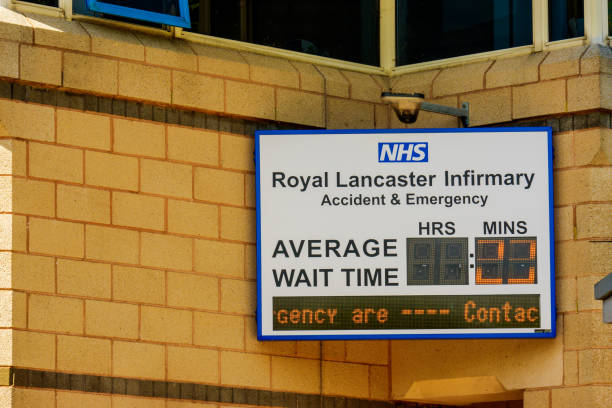
In the United Kingdom, a promising healthcare initiative is showing how nutrition education can play a powerful role in patient recovery while easing pressure on the public health system. Maggie’s, a well-known cancer support charity, is expanding its nutrition education programmes following a successful trial that demonstrated measurable reductions in NHS dietician waiting lists.
How Nutrition Education Is Making a Difference
The trial revealed that when cancer patients received structured nutrition guidance, many no longer required immediate referrals to NHS dieticians. Instead, patients gained the knowledge and confidence to manage their diets independently, allowing specialist services to focus on those with more complex medical needs.
These programmes go beyond basic advice. They include:
-
Practical cooking demonstrations
-
Personalised dietary guidance tailored to cancer treatment and recovery
-
Education on managing side effects such as fatigue, appetite loss, and digestive issues
By addressing everyday dietary concerns early, patients are better equipped to support their recovery journey.
Benefits for Patients and the Healthcare System
For patients, the benefits are both physical and emotional. Improved nutrition can enhance energy levels, support immune function, and contribute to better treatment tolerance. Equally important, patients report feeling more in control of their health, which can positively impact mental well-being during and after cancer treatment.
From a system-wide perspective, these programmes help reduce clinical workload. Fewer routine referrals mean shorter waiting times for those who truly need specialist intervention, easing strain on NHS resources already under significant pressure.
A Model for Preventive and Supportive Care
Health experts suggest that initiatives like Maggie’s nutrition workshops represent a shift toward preventive and supportive care models. By empowering patients with practical knowledge, healthcare systems can improve outcomes while managing limited resources more efficiently.
This approach also highlights the growing recognition that recovery does not rely on medical treatment alone. Lifestyle factors—especially nutrition—are essential components of comprehensive cancer care.
Conclusion
The expansion of Maggie’s nutrition education programmes demonstrates how simple, community-based interventions can deliver significant healthcare benefits. By improving patient confidence, supporting recovery, and reducing NHS waiting lists, these programmes offer a compelling model that could be adopted more widely across the healthcare system.