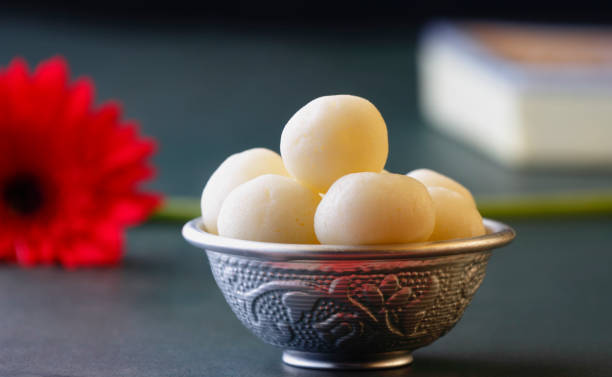
Rasgulla, the soft, spongy, syrup-soaked dessert loved across India and beyond, is more than just a sweet—it is a symbol of culinary heritage and cultural pride. The question of its origin has long fascinated food historians and dessert lovers alike, making rasgulla one of India’s most discussed traditional sweets.
What is Rasgulla?
Rasgulla is made from chhena (fresh curdled milk), shaped into balls and cooked in light sugar syrup until they become soft, airy, and juicy. Its simplicity, delicate sweetness, and melt-in-the-mouth texture have helped it gain international popularity.
Ancient Roots in Odisha
Many historians trace the earliest form of rasgulla to Odisha, where chhena-based sweets have been part of temple traditions for centuries.
-
In the Jagannath Temple in Puri, a chhena-based sweet known as “Khira Mohana” has been offered as bhog (ritual offering) since at least the 12th century.
-
The Niladri Bije ritual, marking the return of Lord Jagannath to the temple, traditionally involves offering rasgulla-like sweets.
-
Odisha’s long history of chhena desserts such as Chhena Poda, Rasabali, and Chenna Jhili supports the claim that rasgulla evolved naturally from this culinary tradition.
In recognition of this heritage, “Odisha Rasagola” received the Geographical Indication (GI) tag in 2019, officially acknowledging the state’s historical association with the sweet.
Modern Popularization in West Bengal
While Odisha is credited with the early origins, West Bengal played a major role in refining and popularizing rasgulla in its modern form.
-
In the 19th century, Kolkata-based sweetmakers, most notably Nobin Chandra Das, are credited with perfecting the technique to make rasgullas lighter, spongier, and more consistent.
-
Bengali confectioners introduced controlled boiling and syrup techniques, transforming rasgulla into a commercially successful sweet.
-
From Bengal, rasgulla spread across India and eventually overseas, becoming a staple in Indian sweet shops worldwide.
West Bengal also received a GI tag for “Banglar Rasogolla” in 2017, recognizing its contribution to the sweet’s modern identity.
Odisha vs Bengal: A Shared Legacy
Rather than a rivalry, the story of rasgulla reflects two complementary contributions:
-
Odisha provided the ancient foundation and cultural roots.
-
West Bengal shaped the modern, globally recognized version.
Together, they tell the complete story of rasgulla’s journey from temple offerings to international dessert menus.
Why Rasgulla Matters Today
Rasgulla is more than a dessert—it represents:
-
India’s rich regional food traditions
-
The evolution of culinary techniques over centuries
-
How local foods can gain global recognition while retaining cultural identity
In 2026, rasgulla continues to inspire chefs, food historians, and dessert lovers, with modern variations like baked rasgulla, saffron rasgulla, and fusion rasgulla desserts.
Conclusion
The origin of rasgulla lies in India’s shared culinary heritage, with Odisha providing its ancient roots and West Bengal shaping its modern fame. This iconic sweet stands as a reminder that food history is often layered, collaborative, and deeply cultural.
No matter where it originated, one thing is certain—rasgulla remains one of India’s most cherished sweets, enjoyed across regions, generations, and borders.