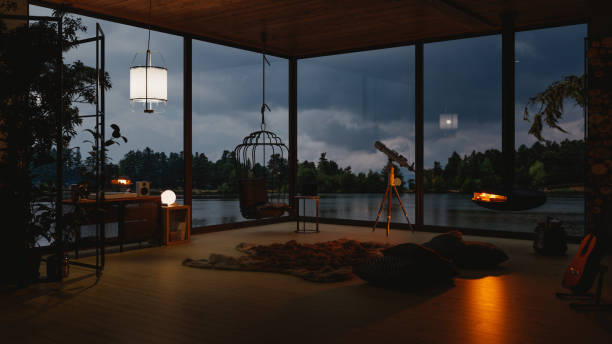
As urban living becomes denser and city noise levels rise, homeowners in 2026 are increasingly focusing on acoustic design—creating interiors that reduce unwanted sound and improve quality of life. Unlike traditional renovations that prioritize aesthetics, acoustic upgrades focus on how a home feels and sounds, making daily living more peaceful and comfortable.
Sound-Absorbing Materials
One of the most effective ways to manage noise is through sound-absorbing ceilings and wall panels. Materials like acoustic tiles, fabric-wrapped panels, and specialized plaster help reduce echoes and dampen external noise. Even decorative materials, when chosen thoughtfully, can double as functional sound absorbers.
Furniture as a Sound Barrier
Furniture placement is another key tool in acoustic design. Large bookshelves, upholstered couches, and room dividers can act as natural sound blockers, preventing noise from traveling across open floor plans. Thoughtful arrangement not only improves acoustics but also enhances spatial comfort and privacy in shared living areas.
Windows and Treatments
Urban noise often enters through windows, so treatments now serve a dual purpose: light control and acoustic insulation. Heavy curtains, double-glazed or laminated glass, and specialized blinds reduce street and traffic sounds without compromising natural light.
Why Acoustic Design Stands Out
Unlike most interior upgrades that focus on appearance, acoustic design is experience-driven. Homes are not just visually appealing—they are peaceful, restful, and better suited for work, study, and relaxation. This approach addresses a growing need for calm spaces in bustling cities, emphasizing functionality and well-being over trends.
Conclusion
Acoustic design is a subtle but transformative upgrade for urban homes. By incorporating sound-absorbing materials, strategic furniture placement, and insulated window treatments, residents can significantly reduce noise disruption. In 2026, the emphasis on acoustics reflects a broader shift toward designing homes for comfort, health, and daily living quality rather than just visual appeal.