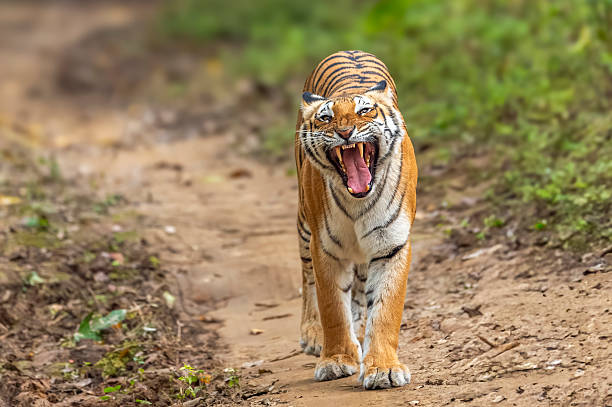
Jim Corbett National Park, located in Uttarakhand, is India’s first national park and a premier wildlife sanctuary, famous for its Bengal tigers, elephants, leopards, and diverse bird species. Established in 1936 and named after the legendary hunter and conservationist Jim Corbett, the park combines wildlife adventure with breathtaking Himalayan scenery.
Best Time to Visit
-
November to June: Ideal months when the park is open for safaris.
-
July to September: Monsoon season; most safaris are closed due to heavy rainfall.
How to Reach Jim Corbett National Park
-
By Air:
-
Nearest airport: Pantnagar Airport (~50 km from the park’s main entrance).
-
Taxis and buses are available from the airport to the park.
-
-
By Train:
-
Nearest railway station: Ramnagar (~12 km from the park).
-
Well-connected with major cities like Delhi, Lucknow, and Bareilly.
-
-
By Road:
-
Accessible from Delhi (~250 km) via national highways.
-
Private cabs, buses, and taxis provide convenient access to park entrances.
-
Park Zones and Safaris
Jim Corbett is divided into several tiger reserves and safari zones:
-
Dhikala Zone:
-
Largest and most famous, ideal for spotting tigers, elephants, and gharials.
-
Offers jungle lodges and panoramic views.
-
-
Bijrani Zone:
-
Dense forest; good for tiger and deer sightings.
-
Less crowded than Dhikala, ideal for photographers.
-
-
Jhirna Zone:
-
Open year-round, suitable for winter safaris.
-
-
Dhela & Durga Devi Zones:
-
Lesser-known areas; quieter and more intimate wildlife experiences.
-
Accommodation Options
-
Forest Rest Houses and Lodges: Managed by the park authorities; perfect for immersive wildlife stays.
-
Private Resorts: Located near Ramnagar and Kaladhungi; offer luxury and safari packages.
-
Camping & Eco-Tourism: Jungle camping experiences with guided safaris are available.
Wildlife and Nature Highlights
-
Tigers: Jim Corbett is famous for its Bengal tiger population.
-
Elephants and Leopards: Commonly spotted during early morning and evening safaris.
-
Birdwatching: Over 600 species, including migratory birds during winter.
-
Other Wildlife: Wild boars, barking deer, sambar, gharials, and Indian pangolins.
Safari Tips
-
Book Early: Safaris are limited and highly popular; online advance booking is recommended.
-
Timing: Early morning and late afternoon safaris offer the best wildlife sightings.
-
Guides: Always take a trained forest guide; they know the terrain and animal behavior.
-
Safety: Follow park rules strictly; never leave vehicles or designated paths.
Travel Tips
-
Clothing: Wear neutral colors; avoid bright colors that can scare wildlife.
-
Footwear: Comfortable shoes for walking in forest areas.
-
Photography: Carry a telephoto lens for wildlife photography.
-
Weather: Carry light woolens in winters and rain gear during the monsoon.
Conclusion
Jim Corbett National Park offers a unique blend of adventure, wildlife, and natural beauty. Whether it’s spotting tigers in the wild, birdwatching, or enjoying peaceful forest landscapes, it remains one of India’s top wildlife destinations. With proper planning in 2026, a trip t