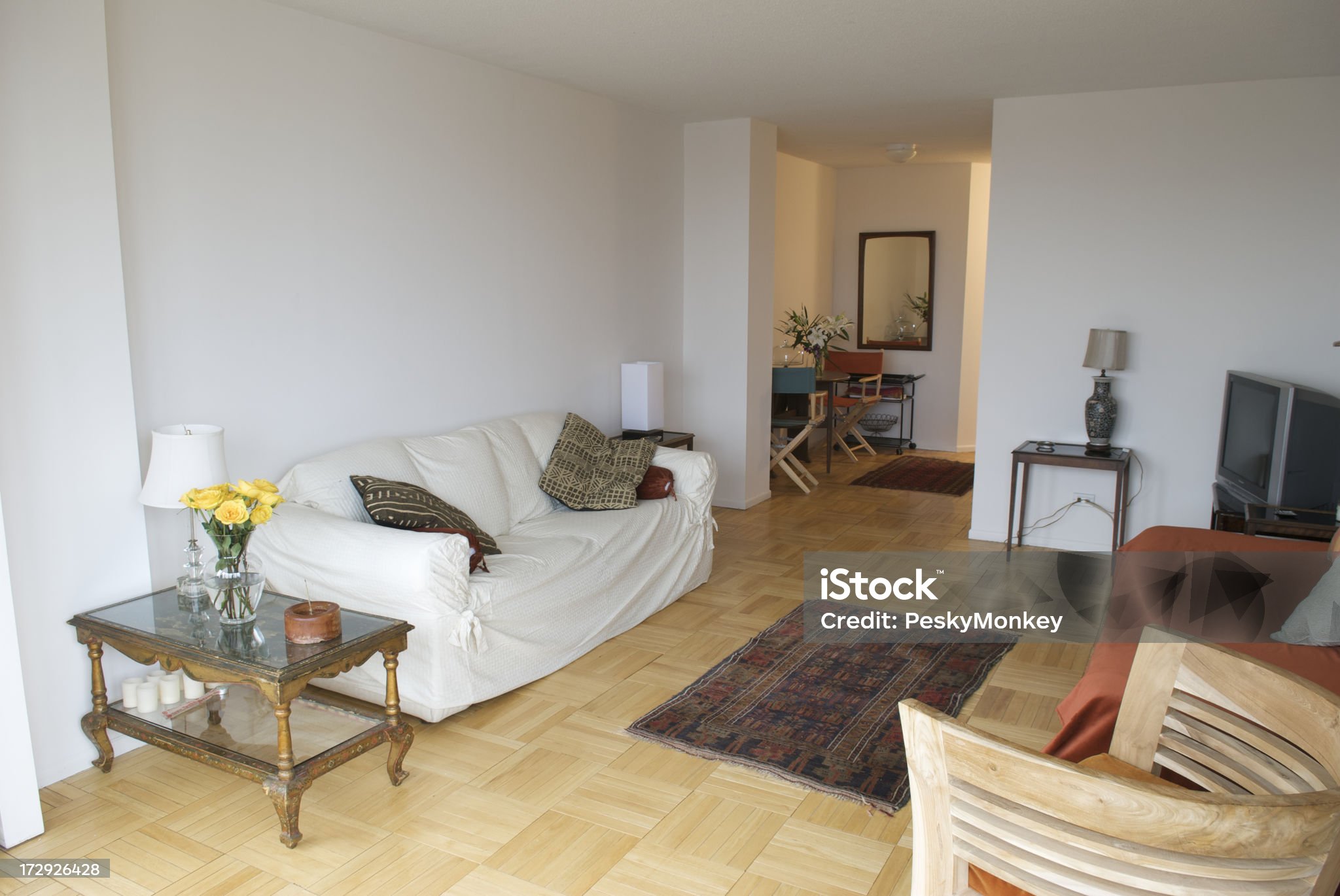
In 2026, while high-tech smart homes packed with automation and IoT devices dominate the headlines, a counter-trend is quietly gaining momentum: low-tech smart living. This approach focuses on simplicity, sustainability, and energy efficiency without relying on screens, apps, or constant digital monitoring. It’s about making homes intelligent through design, not gadgets.
Mechanical Airflow and Natural Ventilation
Instead of relying on app-controlled fans or air conditioning, low-tech smart homes often incorporate mechanical airflow regulators. Adjustable vents, strategically placed windows, and ceiling fans with simple manual controls optimize indoor air circulation.
Passive cooling techniques are also key. Homes can use clay panels, stone surfaces, and reflective paints to naturally maintain comfortable indoor temperatures. These materials absorb heat during the day and release it slowly, reducing the need for artificial cooling.
Analog Controls for Energy Efficiency
Another hallmark of low-tech smart living is the use of analog controls to manage lighting, temperature, and water systems. Examples include:
-
Manual dimmers for lights to reduce electricity consumption
-
Mechanical thermostats for heating or cooling
-
Water-saving valves and faucets with easy manual adjustments
These solutions are cost-effective, low-maintenance, and energy-efficient, while reducing dependency on apps, Wi-Fi, and automated systems that can fail or require frequent updates.
Why Low-Tech Smart Living Stands Out
Unlike high-tech smart homes that often prioritize convenience and novelty, low-tech smart living:
-
Reduces digital dependency and screen fatigue
-
Lowers energy consumption in a simple, sustainable way
-
Focuses on design intelligence rather than electronic intelligence
-
Maintains resilience, since homes can function without constant internet connectivity
It’s a smart home philosophy that respects both human well-being and environmental sustainability.
Conclusion
Low-tech smart living shows that innovation doesn’t always need to be digital. By using mechanical airflow systems, passive cooling, and analog controls, homeowners can enjoy the comforts of a smart home without the clutter, complexity, or stress of constant automation. In 2026, this trend is redefining what it means to live intelligently, proving that simplicity can be the ultimate sophistication.