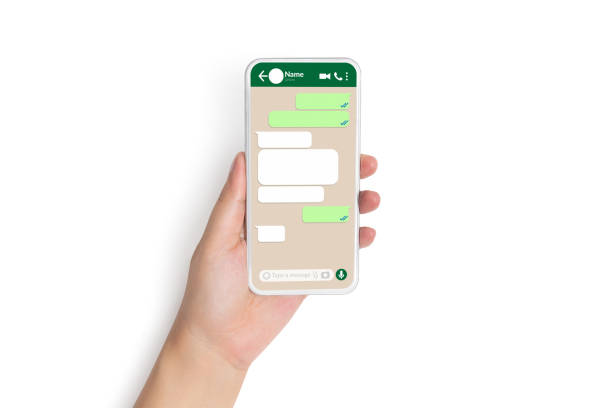
Let’s be honest — when you think about doing business in India today, WhatsApp isn’t just a messaging app anymore. It’s like that one place everyone lives online. You wake up, check Instagram, maybe peek at Twitter… but almost always end up on WhatsApp before breakfast. Which is why smart companies are getting serious about using something like a WhatsApp API provider instead of fumbling around with normal chats on a phone.
I remember trying to help a small retail store switch from emails to WhatsApp for customer support. At first, the owners just used the basic app and reacted to messages as they came in. But as orders and queries grew, their phone turned into a chaos machine — half the messages got ignored, replies overlapped, and customers started complaining. It was like juggling while riding a unicycle on a tightrope. Then they plugged into a proper API setup through a good provider, and things suddenly felt… manageable. Like someone finally turned on streetlights in a dark alley.
Why WhatsApp matters more than you think
In India especially, people use WhatsApp for everything. You ask your friend what movie to watch, you check group chat drama, you confirm meeting details — it’s like the digital Swiss Army knife of communication. So if someone tells you “email me,” you probably cringe a bit because you know they won’t reply soon. But if someone says “WhatsApp me,” suddenly you’re alert like a firefighter on stand-by. That psychological thing alone is huge for businesses. Customers see a message faster, respond quicker, and feel more connected.
Now imagine automating that whole flow instead of manually replying from one phone. That’s exactly what the WhatsApp Business API does with help from a proper provider. It’s not just a fancy tech toy — it’s the difference between managing 20 chats a day and managing hundreds without losing your mind.
Handling bigger volumes like a pro
Indian businesses often deal with a staggering number of messages — orders, feedback, complaints, delivery questions, return requests, you name it. If you’re a small shop talking to customers one-on-one on the regular WhatsApp app, it’s fine… until it’s not. Once volume hits double digits, things break down really fast.
A solid WhatsApp API provider plugs your business into a system where multiple people can reply, automated messages can be sent for routine updates, and you don’t have to stare at a phone screen for 12 hours straight. It’s like going from riding a bicycle to driving a bus: suddenly you’re equipped to carry lots more people at once without falling over every other meter.
Also, good WhatsApp API tools integrate with your existing systems — like your CRM or order management software. So when an order is placed, the customer gets a confirmation on WhatsApp automatically. No extra typing. No forgetting someone’s message. It’s efficient, and for customers, it feels almost magical when they see those instant updates.
Automation that actually helps (not annoys)
People hear “automation” and imagine robots replying “Yes” to everything like some glitchy vending machine. But when done right, automation handles the boring stuff so your human staff can focus on interesting problems. Order confirmations, delivery updates, payment reminders — these are all things that often get asked over and over again. If your system can send them automatically, your team isn’t stuck answering the same questions 50 times a day.
Once, my cousin ordered something online and the store sent her three different emails about the order. She didn’t even open any of them until the WhatsApp update came — which she responded to within minutes. That’s the kind of engagement difference we’re talking about. It’s not that WhatsApp makes sales automatically, but it makes communication feel natural and timely.
Keeping customers happy (and coming back)
People don’t just want quick responses — they want meaningful ones. And when your business uses WhatsApp in a structured way, you can respond faster and keep track of conversations better. No more “I think we replied to you?” moments. No accidental ignored messages that turn into angry tweets later. It feels… human, even if it’s partly automated.
Indian consumers also like convenience. Ask anyone — if you can do something quickly on your phone, you’ll choose that over filling out a long form or waiting for an email. WhatsApp removes friction. You don’t need to download a new app, remember passwords, or hunt through an inbox. You just open the app you already use every day. That’s why even customers casually say things like “just WhatsApp them” when talking about a brand on social media. It’s familiarity, trust, and ease all rolled into one.
Data and insights — the secret growth ingredient
One thing that surprises a lot of businesses is how much insight you get once you’re using the API properly. You can start to see which messages get replies, what times your audience is active, what type of announcements actually drive engagement — it’s like having a little analytics brain. Without this, you’re basically guessing about how your communications are working.
A decent WhatsApp API provider usually gives some dashboard or reporting tools so you can actually see how your messaging is performing. And once you can see, you can improve. It’s like trying to cook without a recipe versus with one — suddenly your outcomes get a lot less random.
Keeping things safe and compliant (yes, that matters)
Another thing businesses often don’t realize until it’s too late is that WhatsApp doesn’t want random spam bots filling the platform. So they have rules. You can’t just send messages to everyone on your contact list at 3 AM with a big SALE banner. A trusted provider helps you stay on the right side of these rules — getting message templates approved, managing customer opt-ins properly, and making sure your account doesn’t get restricted because someone on your team got a little too excited with a promo blast.
This may sound like boring bureaucracy, but it matters. The last thing you want is your communication channel getting shut down because of a policy violation you didn’t understand. A good provider helps you avoid those landmines.
Real talk — it’s not magic, it’s better communication
Let’s be clear: WhatsApp Business API isn’t going to magically make people buy your product just because it exists. But what it will do is take a major pain point — slow communication, missed messages, frustrated customers — and turn it into something smoother, faster, and more predictable. And in today’s fast-paced business world, that’s a pretty big deal.
If you’re in India and your business deals with a lot of customer interaction — orders, support, engagement, follow-ups — using a solid WhatsApp API provider can be one of those small moves that ends up changing your growth trajectory. It’s like water for plants — not exciting, but nothing grows without it.
When communication happens where customers already spend their time, in a way that feels easy and respectful, growth doesn’t just happen — it accelerates. And sooner or later, your competitors will be wondering how you did it while they were still stuck replying to messages manually at midnight.