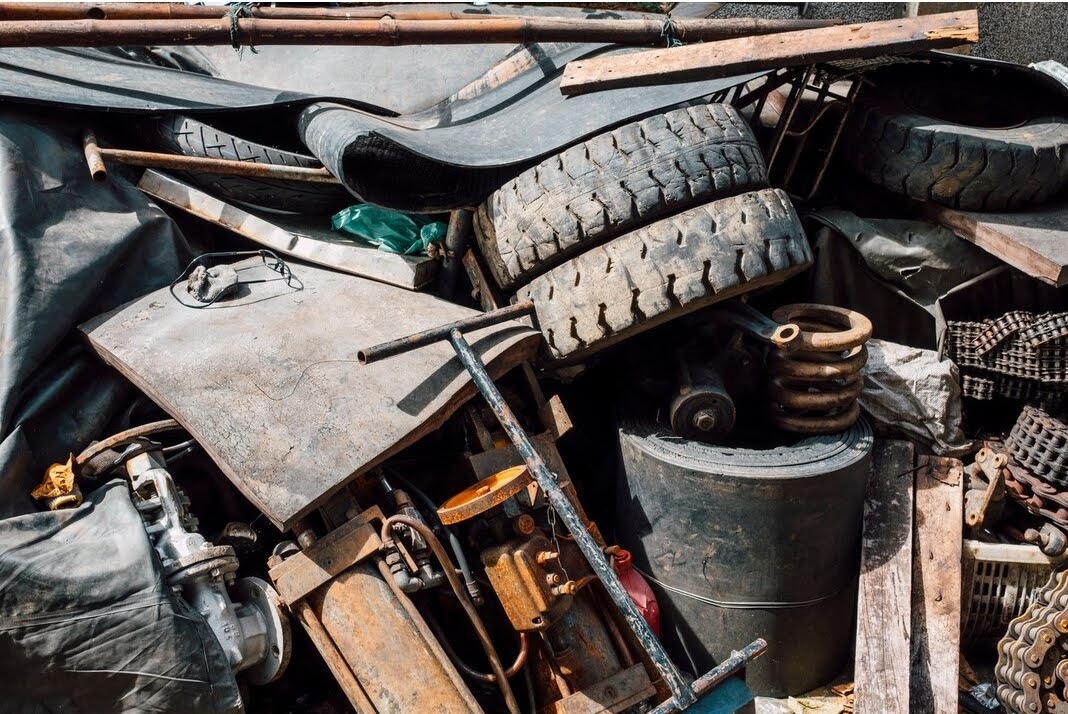
Discarded tyres occupy space, attract pests, etc., yet they also hold great potential. With thoughtful reuse, old tyres can become functional, durable, and visually appealing elements. Their strength, flexibility, and resistance to weather make them suitable for a wide range of creative applications.
Reusing tyres is not about novelty; it is also about practicality, longevity, and smart design choices that serve real needs. Let’s explore 5 creative yet realistic ways to repurpose old tyres. Read on!
Turning Old Tyres into Functional Seating
Outdoor seating demands durability. Furniture exposed to sun, rain, and frequent use deteriorates quickly, yet tyres naturally withstand harsh conditions. When repurposed into seating, they provide good structural support while maintaining comfort when designed correctly.
Tyre-based seating works well in gardens, patios, playgrounds, and public spaces. The circular shape creates a stable base, while padding and fabric turn the surface into a comfortable seat. Wood panels or thick cushions placed on top add structure and visual balance.
The result is seating that lasts longer than many low-cost outdoor furniture options. Design consistency matters. Painting tyres in neutral or earth tones helps them blend into outdoor environments This approach supports both function and aesthetics.
Using Tyres as Smart Planters
Gardening benefits greatly from recycled materials, and waste tyres offer a sturdy base for planters and garden features. Their depth allows for proper soil volume, supporting healthy root growth. Unlike thin plastic containers, tyres maintain shape and resist cracking.
Raised planters made from tyres work well for flowers, herbs, and small shrubs. They help define garden spaces and create visual layers. Stacking tyres vertically forms deeper planting beds suitable for vegetables with longer roots. This structure also improves drainage when designed correctly.
Garden pathways and borders can also benefit from tyres. Partially buried tyres create durable edging that separates planting zones from walkways. This approach adds structure without expensive materials.
Creating Durable Play Structures
Play areas require materials that absorb impact, resist wear, and remain safe under frequent use. Tyres naturally meet these requirements. Their flexibility reduces injury risk, and their toughness ensures longevity even in high-activity environments.
Tyres can become climbing structures, tunnels, swings, or stepping elements. When securely anchored, they provide safe physical challenges that encourage movement and coordination. Their rounded edges and resilient surface make them suitable for playground use.
Spacing and installation matter here. Proper placement ensures safe movement between elements. Secure mounting prevents shifting or tipping.
Repurposing Tyres
Storage requires strength and flexibility, especially in garages, workshops, and outdoor spaces. Tyres provide a solid framework for storage units that handle weight without bending or breaking.
Mounted tyres function well as wall-mounted storage for tools, hoses, or sports equipment. Their circular shape naturally organizes items while preventing tangling. Stacked configurations create vertical storage that uses space efficiently.
This reuse strategy focuses on strength and efficiency. It turns an otherwise bulky waste item into a reliable organizational asset.
Incorporating Tyres into Architectural Design
Beyond small-scale projects, tyres can support larger landscape and structural applications. Their load-bearing capacity and weather resistance make them suitable for retaining walls, erosion control, and boundary definition.
Stacked and secured tyres form retaining structures that manage soil movement on sloped land. When filled and anchored correctly, they provide stability comparable to traditional materials. This application suits gardens, rural properties, and functional landscaping projects.