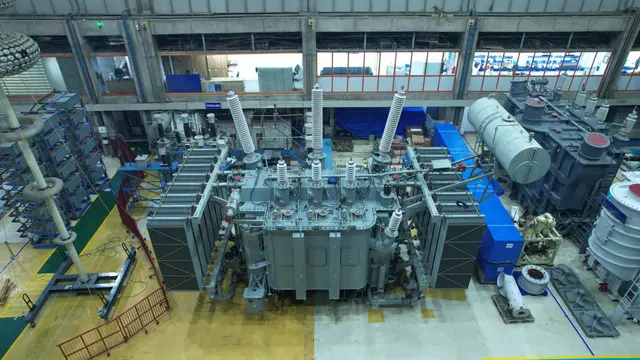
Selecting a power transformer for an Australian power project is not simply a matter of choosing a unit with the required MVA rating. The transformer has to suit the electrical network, project load, operating conditions, installation environment and long-term performance requirements. For utility projects, industrial facilities, renewable energy developments and major infrastructure, getting these decisions right at the design stage can help avoid costly changes later.
Australia’s electricity network is also changing as more renewable generation, inverter-based equipment and large industrial loads become part of the power system. Connection requirements can vary depending on the project and network, so transformer selection needs to be considered alongside the requirements of the connecting Network Service Provider and, where applicable, the National Electricity Rules. AEMO notes that connection applicants work with their connecting network service provider and may need to satisfy agreed technical performance standards and provide appropriate technical information and models.
What should you consider before selecting a power transformer?
The first step is to understand exactly what the transformer needs to do within the project. Start with the required voltage levels, expected load, load profile and future expansion plans. A transformer that is correctly sized for today’s demand but leaves no practical allowance for future requirements may become a limitation as the facility expands.
Rated power is another important consideration. Transformer capacity should be selected from the project’s actual electrical requirements rather than simply choosing the largest available unit. Oversizing can affect project cost, physical footprint and operating efficiency, while an undersized transformer can experience excessive loading and thermal stress.
The required primary and secondary voltages, frequency, insulation requirements, impedance, vector group and tap-changing arrangement should also be established during the engineering stage. These details affect how the transformer integrates with the rest of the electrical system and should be confirmed against the project’s network studies and equipment specifications.
For Australian projects, environmental conditions also deserve attention. Outdoor substations and remote installations can expose equipment to heat, dust, moisture, salt-laden air or other site-specific conditions. The transformer enclosure, cooling arrangement, insulation system, corrosion protection and accessories should therefore be selected according to the actual installation environment.
When are 3-phase power transformers suitable?
Three-phase systems are fundamental to large-scale power transmission and industrial electricity networks. For projects requiring three-phase voltage transformation, 3-phase power transformers can provide an integrated solution rather than using separate single-phase units.
TARIL states that its small and medium power transformers include 3-phase designs intended for utility and industrial networks, with an emphasis on voltage regulation, low losses, durability and long service life. Its broader power-transformer portfolio covers applications including auto transformers, generator step-up transformers, trackside traction transformers and auxiliary transformers.
For an Australian project, the appropriate three-phase transformer should be determined from the network voltage, load characteristics, fault levels, operating conditions and connection requirements. Generator projects, substations and industrial facilities may have very different transformer requirements even when their nominal capacity appears similar.
How does the application affect transformer selection?
The application should always influence the transformer design. A transformer used at a generation facility may have different requirements from one installed in an industrial plant or railway infrastructure.
Generator step-up transformers, for example, are used to increase voltage from a generating station before electricity is transferred into the transmission network. TARIL describes its generator step-up units as being designed around thermal performance, short-circuit strength and low losses for thermal, hydro and renewable generation applications.
Auxiliary transformers have another role. They supply essential loads such as control systems, lighting and auxiliary equipment within power plants, substations and industrial facilities. Trackside traction transformers are designed for railway and metro applications where equipment can be exposed to demanding operating and vibration conditions.
Understanding the end use before requesting a quotation helps the manufacturer develop a transformer around the actual operating requirements instead of treating every project as a standard installation.
When is a rectifier transformer required?
Some industrial processes require AC power to be converted into DC power. In these applications, a rectifier transformer is designed to work with the associated AC-to-DC converter system.
TARIL’s current rectifier-transformer portfolio is intended for demanding applications including metal, chemical and other industrial processes. The company states that its rectifier transformers can handle up to 160 kA DC and are available in 6-pulse as well as 12/24-pulse configurations, including IPT and bridge construction arrangements.
The selection process for this type of transformer is different from a conventional utility transformer. Engineers need to consider the converter arrangement, harmonic currents, DC requirements, cooling, insulation and the electrical characteristics of the complete conversion system. The transformer and converter should therefore be considered together during project design.
Why are efficiency and losses important?
Transformer losses continue throughout the operating life of the equipment, so efficiency should be considered alongside the initial purchase price. Core losses occur while the transformer is energised, while load-related losses increase as the transformer carries current.
For a project that operates continuously or for long periods at substantial load, even relatively small differences in losses can become significant over the equipment’s service life. Transformer selection should therefore consider the expected load profile rather than relying only on the nameplate rating.
TARIL states that its power transformers are designed with low losses and energy efficiency in mind and that its units undergo testing and validation before shipment. The company also offers ester-filled transformer technology as an alternative to mineral-oil-based designs.
What should Australian project teams check before placing an order?
Before finalising a transformer specification, the project team should confirm the electrical and mechanical requirements with the relevant engineers, network operator and transformer manufacturer. Important project information can include voltage levels, MVA requirements, frequency, impedance, fault levels, tap requirements, cooling method, installation altitude, ambient conditions, transformer accessories and transportation limitations.
For projects connecting to the National Electricity Market, the connection process involves the connecting Network Service Provider, while AEMO has an advisory and assessment role in relevant NEM connections. AEMO’s current connection process also includes technical information, proposed access standards and modelling requirements where applicable.
This is particularly relevant for larger generation and network projects where transformer characteristics can affect system studies and the overall connection design. Early coordination can help identify technical requirements before manufacturing begins.
How can the right transformer improve project reliability?
A transformer is a long-term part of the electrical infrastructure, so reliability should be considered from the beginning rather than after installation. Appropriate electrical ratings, thermal design, insulation, mechanical strength, cooling and protection all contribute to dependable operation.
Manufacturer experience also matters when the project involves specialised requirements. TARIL states that its power transformers are designed using simulation tools and subjected to testing that includes type, routine and dynamic short-circuit testing.
For Australian projects, the final selection should therefore balance electrical performance, site conditions, project requirements, lifecycle considerations and applicable Australian network requirements. A well-defined specification gives both the project team and transformer manufacturer a clearer basis for producing equipment suited to its intended duty.
Frequently Asked Questions
What is the main purpose of a power transformer?
A power transformer changes electrical voltage levels so electricity can be transmitted, distributed or used by equipment at the required voltage. The appropriate transformer depends on the project’s electrical network, load and operating requirements.
Are 3-phase power transformers suitable for Australian industrial projects?
3-phase power transformers are widely used in three-phase utility and industrial electrical systems. TARIL specifically offers small and medium 3-phase power transformers for utility and industrial networks. The exact design should be selected according to the project’s voltage, capacity, load profile and network requirements.
What is a rectifier transformer used for?
A rectifier transformer is used with an AC-to-DC conversion system. It is particularly relevant to industrial applications such as electrochemical processing and metal-related processes where substantial DC power is required. TARIL offers 6-pulse and 12/24-pulse rectifier transformer configurations.
How do I determine the required transformer capacity?
Capacity should be calculated from the project’s expected electrical load, operating profile, voltage requirements and planned future expansion. Network studies and engineering requirements should also be considered before the final rating is selected.
Why should transformer selection begin early in a project?
Early selection allows the transformer requirements to be coordinated with the network connection, substation design, protection system, civil works, transport arrangements and project schedule. This can reduce the risk of design changes or delays later in the project.