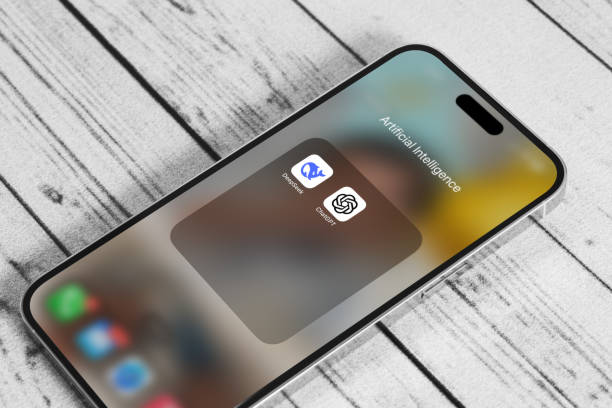
Apple’s much-anticipated AI-driven Siri, powered by its proprietary Apple Intelligence platform, has faced another delay, disappointing users and industry watchers alike. While other tech companies race ahead with AI assistants and chatbots, Apple’s cautious approach highlights the company’s focus on privacy, reliability, and long-term accuracy.
Why the Delay?
Several factors contribute to the postponed launch of Apple’s AI Siri:
-
Privacy First Approach: Apple has long championed user privacy, and developing an AI assistant that processes vast amounts of data without compromising security is a significant challenge.
-
Building Proprietary AI Models: Unlike competitors that rely heavily on external AI frameworks, Apple is developing its own large-scale AI models in-house. This ensures greater control over the system but also slows development.
-
Accuracy and Reliability: Early internal testing indicated the AI assistant needs further refinement to provide accurate, context-aware responses across diverse queries and languages.
The Potential Benefits
Despite the delay, experts argue that Apple’s methodical approach could ultimately benefit users:
-
Enhanced Accuracy: By taking extra time to train and refine AI models, Apple is more likely to deliver a reliable assistant that understands complex queries and context.
-
Privacy Protection: Users can expect strong data protection measures, maintaining Apple’s reputation as a privacy-first tech company.
-
Integrated Ecosystem: AI Siri is expected to be deeply integrated across Apple devices, offering seamless functionality once it launches.
How This Compares to Competitors
Other tech giants have launched AI assistants that are more experimental and rely on cloud-based AI processing. Apple’s strategy prioritizes controlled deployment, ensuring that Siri’s AI capabilities meet high standards before reaching consumers. While this may frustrate eager users, it reflects a focus on long-term trust over short-term hype.
What Users Can Expect
Once launched, Apple’s AI-driven Siri could offer:
-
Smarter, context-aware responses for daily tasks and inquiries
-
Advanced integration with iOS, macOS, and HomeKit devices
-
Enhanced support for multiple languages and accessibility features
Apple’s careful approach suggests that the wait may be worthwhile, providing users with a more reliable, secure, and intelligent voice assistant than early-release competitors.
Conclusion
The continued delay of AI Siri is a reminder that building sophisticated, privacy-conscious AI is not a race. Apple’s focus on accuracy, proprietary models, and user data protection may position its AI assistant as a standout in a crowded market, but it requires patience from users eager to experience the next generation of Siri.