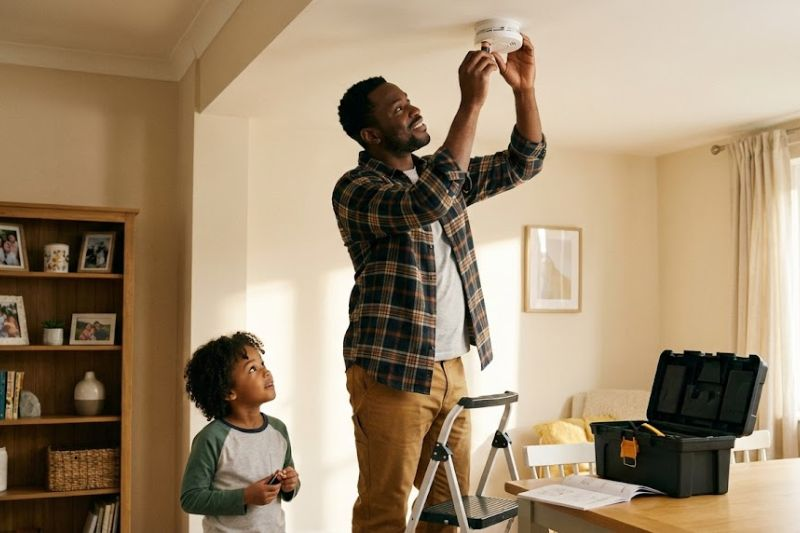
Property safety encompasses many dimensions, from the reliability of electrical systems to the structural integrity of overhead elements such as beams and joists. Overlooking either area creates risks that can escalate into serious hazards over time.
Regular professional attention to both electrical systems and structural components is one of the most responsible things any property owner can do to protect their building and the people inside it.
The Importance of Timely Electrical Repairs
Faulty wiring, damaged outlets, tripping circuit breakers, and flickering lights are all signs that a property’s electrical system requires professional attention. Delaying electrical repairs is one of the most dangerous forms of property neglect. Electrical faults are a leading cause of residential and commercial fires.
Problems that seem minor, such as an outlet that sparks occasionally or a circuit that trips under normal load, often indicate underlying wiring issues that pose a genuine safety threat if left unresolved. Licensed electricians diagnose electrical problems accurately using proper test equipment and repair them in compliance with current safety codes.
Structural Safety with Professional Beam Sweepers
Structural timber elements in buildings, including roof beams, floor joists, and supporting frameworks, are susceptible to attack from woodworm, dry rot, damp rot, and other forms of biological deterioration. Professional beam sweepers inspect and treat timber structures using specialized techniques and preservative treatments that eliminate active infestations and protect wood from future attack.
Their expertise in identifying the type and extent of deterioration ensures that treatment is targeted, effective, and appropriate for the specific timber and condition. Untreated timber deterioration weakens structural elements over time. Early detection and professional treatment arrest the damage and restore the structural reliability of affected timber.
A Holistic Approach to Property Safety
Safe properties require attention across multiple systems simultaneously. A building where the electrical wiring is well maintained but structural timbers are actively deteriorating is not truly safe, and neither is the reverse. Responsible property owners schedule regular inspections of both electrical systems and structural elements, addressing issues as they arise rather than waiting for visible failures.
Combining both inspections as part of an annual property maintenance review creates efficiency and ensures that nothing falls through the cracks. Many property management professionals recommend exactly this kind of structured, multi-system approach to building safety.
Preventive Maintenance and Regular Inspections
Preventive maintenance is one of the most effective ways to avoid both electrical and structural problems in a property. Instead of waiting for something to break or become dangerous, property owners can take action early through regular inspections and routine servicing. This helps identify small issues before they grow into costly repairs or serious safety risks.
For example, a loose wire connection or early signs of damp in timber can be fixed quickly if they are spotted in time. Regular inspections also help create a clear maintenance schedule for the entire building. When professionals check the property on a planned basis, they can track changes over time and notice patterns that may not be obvious to the owner.
Conclusion
Electrical system integrity and structural timber health are two pillars of a safe and well-maintained property. Both require professional expertise, appropriate tools, and timely intervention when problems arise. By keeping both systems in good condition through regular inspection and prompt repair, property owners protect their investment and provide a genuinely safe environment for everyone who uses the building.
The cost of professional maintenance is always small compared to the cost of the emergencies that proper care prevents.